
Introduction: Why the Conversation Is Changing
Sustainable weight management in 2025 is no longer defined by short-term results alone.
Over the past several years, medications such as GLP-1 receptor agonists have become widely discussed for weight loss. While these treatments have helped many individuals initiate change, increasing attention is now being placed on what supports long-term metabolic health, especially after medication use ends.
As a result, interest has shifted toward functional nutrition—an approach that looks at how nutrition, digestion, lifestyle habits, and metabolic processes work together over time. This reflects a broader understanding that lasting weight stability is built through foundational support rather than single interventions.
What Is Functional Nutrition?


Functional nutrition is a personalized, whole-body approach that examines how food interacts with metabolism, digestion, inflammation, hormones, and daily lifestyle factors.
Rather than focusing solely on calorie intake or weight outcomes, functional nutrition seeks to understand why weight changes occur and how underlying systems can be supported to function more effectively. This approach is commonly used to support metabolic health, digestive balance, and sustainable lifestyle patterns.
Core Principles of Functional Nutrition
Gut Health and Metabolic Regulation
Digestive health plays an important role in nutrient absorption, inflammation regulation, and appetite signaling. Supporting the gut-brain axis may contribute to improved metabolic efficiency and more stable hunger patterns over time.
Functional nutrition emphasizes whole foods, dietary fiber, and consistent eating patterns that support digestive function.
Inflammation Reduction Through Nutrition
Chronic low-grade inflammation is often discussed in relation to metabolic stress and insulin resistance. Functional nutrition prioritizes nutrient-dense, minimally processed foods that support normal inflammatory responses and overall cellular health.
Nutrient Density Over Restriction
Instead of focusing on eating less, functional nutrition emphasizes eating adequately and strategically. Protein, fiber, vitamins, and minerals are prioritized to support satiety, muscle preservation, and sustained energy—key components of long-term weight stability.
Why Sustainable Weight Management Looks Different in 2025


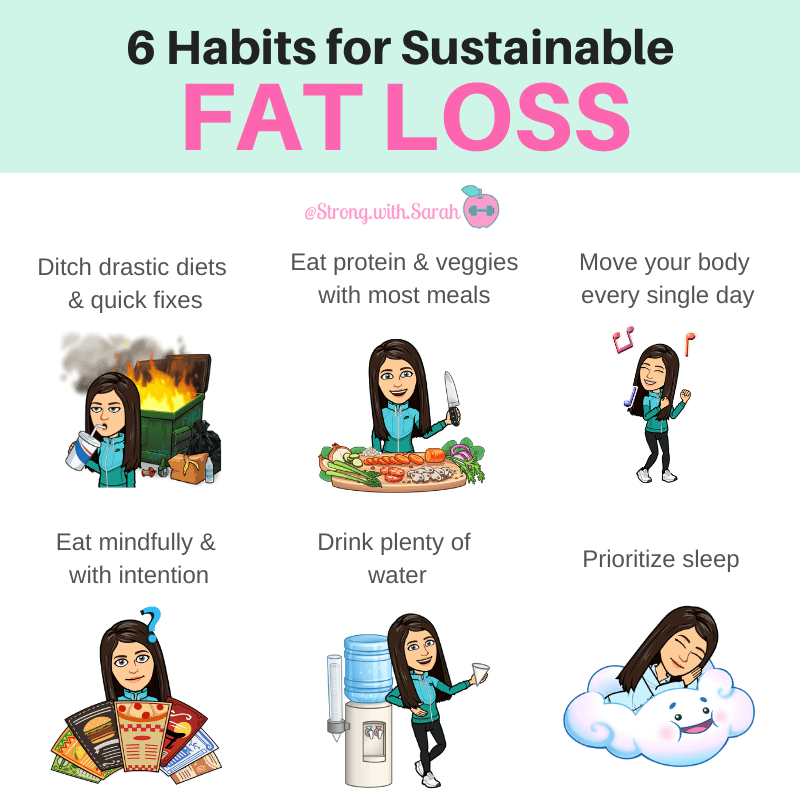

Extreme dieting and rapid weight-loss approaches have often been associated with muscle loss, hormonal disruption, fatigue, and weight regain. As a result, sustainable weight management in 2025 is increasingly associated with metabolic resilience, which includes:
- Stable blood sugar regulation
- Preservation of lean muscle mass
- Digestive health support
- Balanced stress and sleep patterns
- Consistent, realistic nutrition habits
Functional nutrition aligns with these priorities by addressing both dietary intake and lifestyle context rather than focusing on weight alone.
Functional Nutrition After GLP-1 Use

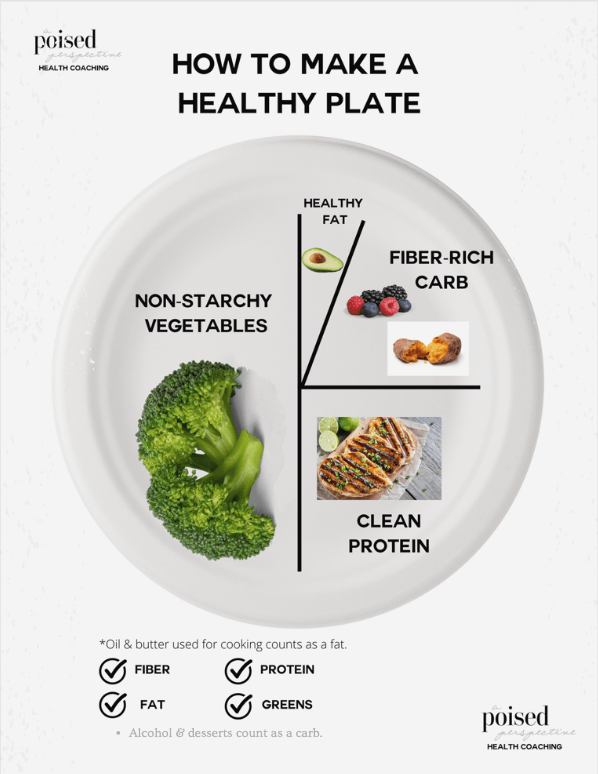

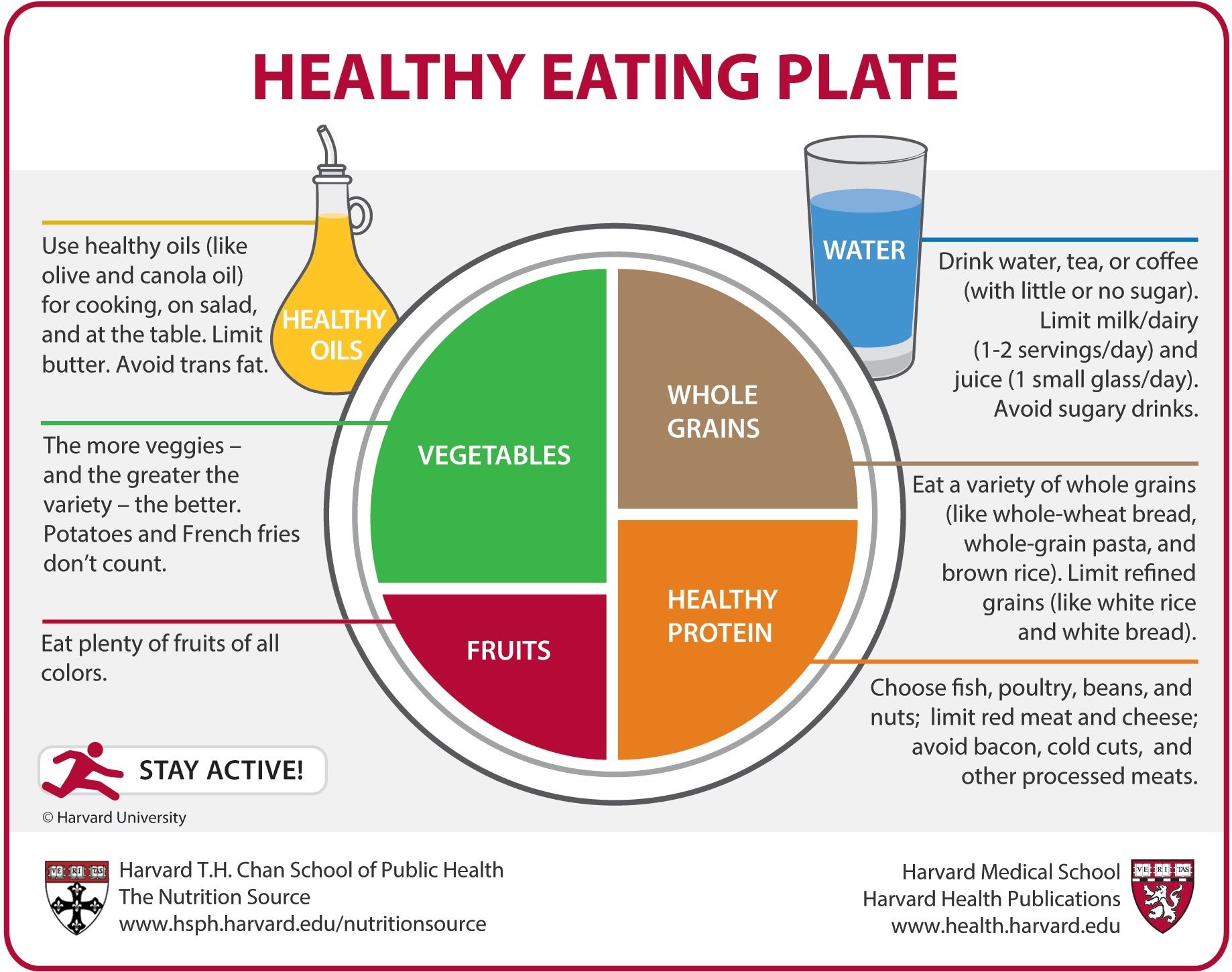
For individuals who have used GLP-1 medications or are considering discontinuation, functional nutrition may help support long-term maintenance by reinforcing foundational habits.
Key considerations include adequate protein intake to support lean muscle mass, dietary fiber to support digestion and blood sugar balance, consistent meal patterns to reduce large fluctuations in hunger and energy, and lifestyle integration such as sleep quality, stress management, hydration, and physical activity.
Rather than relying on appetite suppression alone, functional nutrition emphasizes helping the body regulate energy balance more effectively over time.
Sustainable Weight Management Is a Long-Term Process
Lasting weight management is not a short-term goal but an ongoing process shaped by daily habits, nutrition quality, and lifestyle consistency.
Functional nutrition supports more stable energy levels, improved digestion, reduced reliance on extreme restriction, long-term weight stability, and a more sustainable relationship with food.
For many individuals, the focus shifts away from weight loss alone and toward building metabolic health that supports weight naturally.
Final Thoughts
GLP-1 medications have influenced how weight management is approached, but long-term sustainability depends on broader foundations.
In 2025, functional nutrition continues to gain attention as a supportive framework for metabolic health—emphasizing personalization, consistency, and systems-based care rather than quick fixes.
Frequently Asked Questions
What is sustainable weight management?
Sustainable weight management refers to maintaining a healthy weight over time through consistent nutrition, lifestyle habits, and metabolic support rather than short-term dieting or extreme interventions.
Is functional nutrition a diet?
No. Functional nutrition is not a specific diet. It is a personalized approach that focuses on how food, digestion, lifestyle, and metabolic processes interact.
Can functional nutrition help after stopping GLP-1 medications?
Functional nutrition may support long-term weight maintenance by reinforcing habits related to protein intake, fiber consumption, meal consistency, and lifestyle balance.
How does gut health relate to weight management?
Gut health plays a role in digestion, inflammation regulation, and appetite signaling, which can influence metabolic function and energy balance.
Why is weight management changing in 2025?
Weight management approaches are evolving as more attention is placed on long-term metabolic health, muscle preservation, and lifestyle sustainability rather than rapid weight loss alone.
🌱 Ready to Transform Your Health Journey?
Take the next step toward sustainable wellness:
- **Download Our Free Guide:** Get practical tips for implementing functional nutrition in your daily life
- **Join Our Wellness Community:** Subscribe for weekly evidence-based health tips and family support strategies
- **Explore Related Topics:** Discover more about mental health support and family wellness on our blog
Leave a Reply